




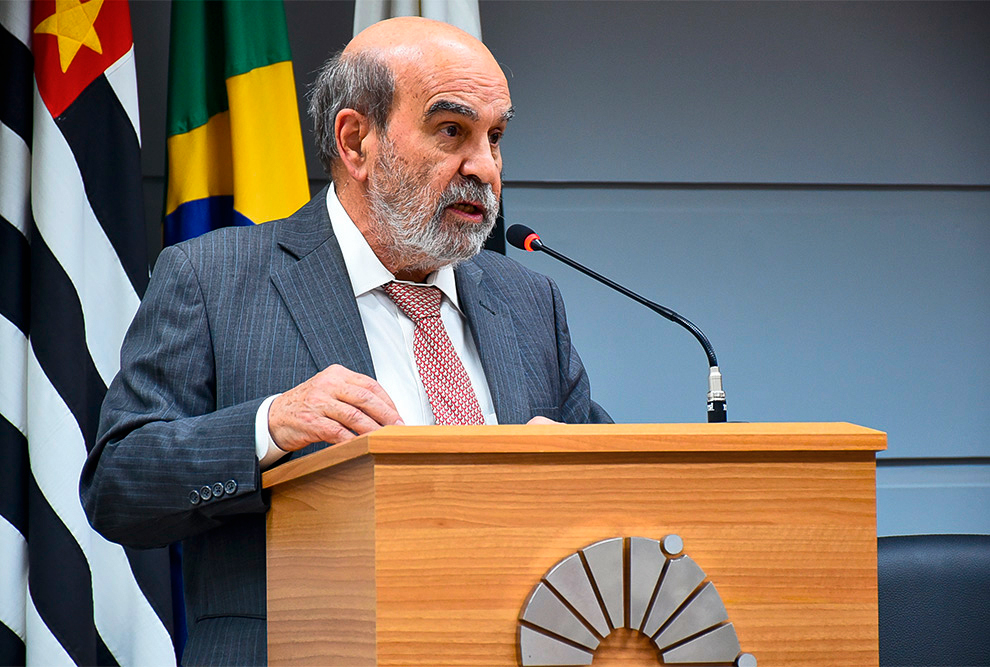
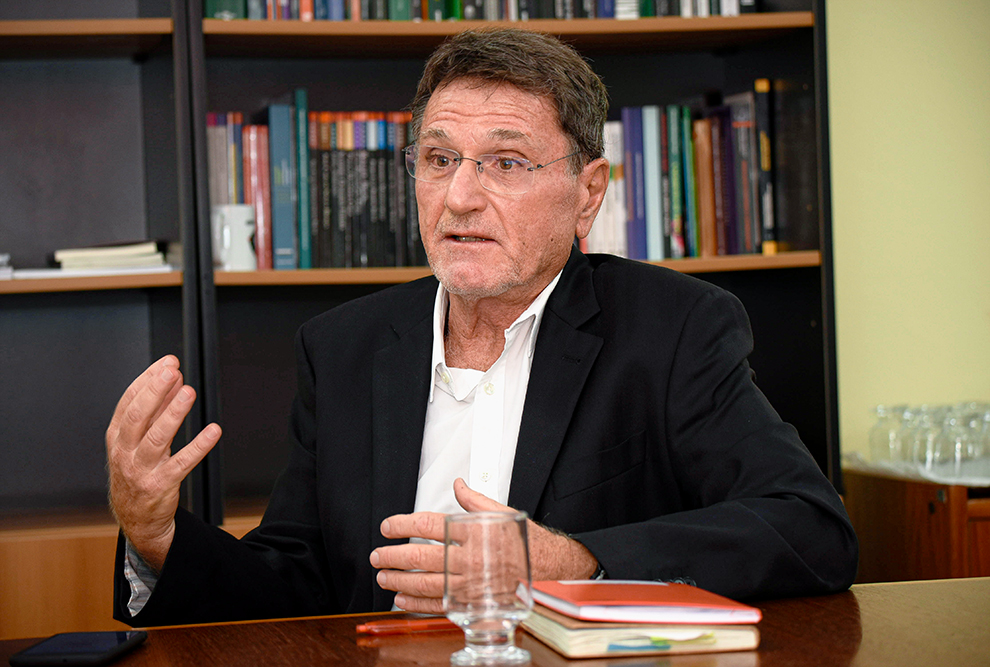
Directors of the Zero Hunger Institute, Unicamp professors José Graziano and Walter Belik, celebrated the result of the report presented on Monday (28) by the United Nations Food and Agriculture Organization (FAO), which places Brazil outside the Hunger Map.
Presented during the 2nd United Nations (UN) Food Systems Summit (UNFSS+4) in Ethiopia, the survey reveals that the country is below the 2,5% threshold of the population at risk of malnutrition or lack of access to sufficient food. Brazil reached this level in 2014, but returned to the Hunger Map in the 2018/2020 period. Now, in the 2022/2024 period, it has returned to below 2,5%. Experts, however, draw attention to another aspect of Brazil's serious food insecurity problem – obesity.
"Brazilians still eat very poorly," said Graziano, a professor emeritus and a leader in formulating and implementing the Zero Hunger Program in Brazil. "A quarter of Brazilian families can't afford healthy food, including, for example, fruits, vegetables, and greens. This is our biggest issue right now. We're replacing fresh, natural products with ultra-processed ones," the professor stated.
"We're replacing meat with sausage, and this not only leads to poor nutrition, but is also the root cause of the rise in obesity among children, women, the elderly, and the general population. And this has a series of consequences; even worse among children, because an obese child will carry this problem for the rest of their life," says Graziano. "The fact is that our population is eating poorly, without an explicit policy to prevent this," he points out.
food insecurity
The Hunger Map is a global indicator from the FAO that identifies countries where more than 2,5% of the population suffers from severe undernourishment—chronic food insecurity. Being on the Hunger Map means that a significant portion of the country's population lacks regular access to enough food for a healthy life.
The FAO uses several indicators to monitor the food situation in countries. The main one is the Prevalence of Undernourishment (PoU) , used in the construction of the Hunger Map. This indicator identifies, in each country, the percentage of the population at risk of undernourishment.
The PoU is calculated based on three variables: the quantity of food available in the country, considering domestic production, imports and exports; food consumption by the population, considering differences in purchasing power (income); and the adequate amount of calories/day, defined for an average individual representative of the population.
Forecasting
In 2023, Graziano and Belik told the Unicamp Journal that Brazil could leave the Hunger Map by the end of President Luiz Inácio Lula da Silva's third term if macroeconomic measures such as a real increase in the minimum wage and an aggressive policy of creating quality jobs were adopted. Furthermore, it would be necessary to rebuild specific programs, such as food acquisition programs and strengthen food distribution and supply mechanisms through school meals, for example.
All of this, they say, happened. What was surprising, however, was the response time. Monday's announcement comes about two years after the critical moment in 2022, when the country had 33 million hungry people.
Graziano explains that the surprise stems from the fact that the PoU indicators for 2022 and 2023 were very low. Therefore, Brazil was expected to leave the Hunger Map only next year. According to Belik, the report's results are worth celebrating, but the professor also warns. From now on, it's important to ensure the country doesn't return to the Hunger Map. "I consider this a unique case in the world of a country that left the map and then returned. Therefore, from now on, we must redouble our vigilance," he states. "We must activate civil society oversight mechanisms so that the government budget continues to include programs that ensure people don't fall into misery, poverty, or hunger," he says. "Furthermore, we must make an effort to ensure the economy continues to grow and generate jobs," he adds. "The challenge, then, is to stay off the map," he concludes.
Watch the Direto na Fonte program on the topic:


